What are common warning signs that a tree may collapse?

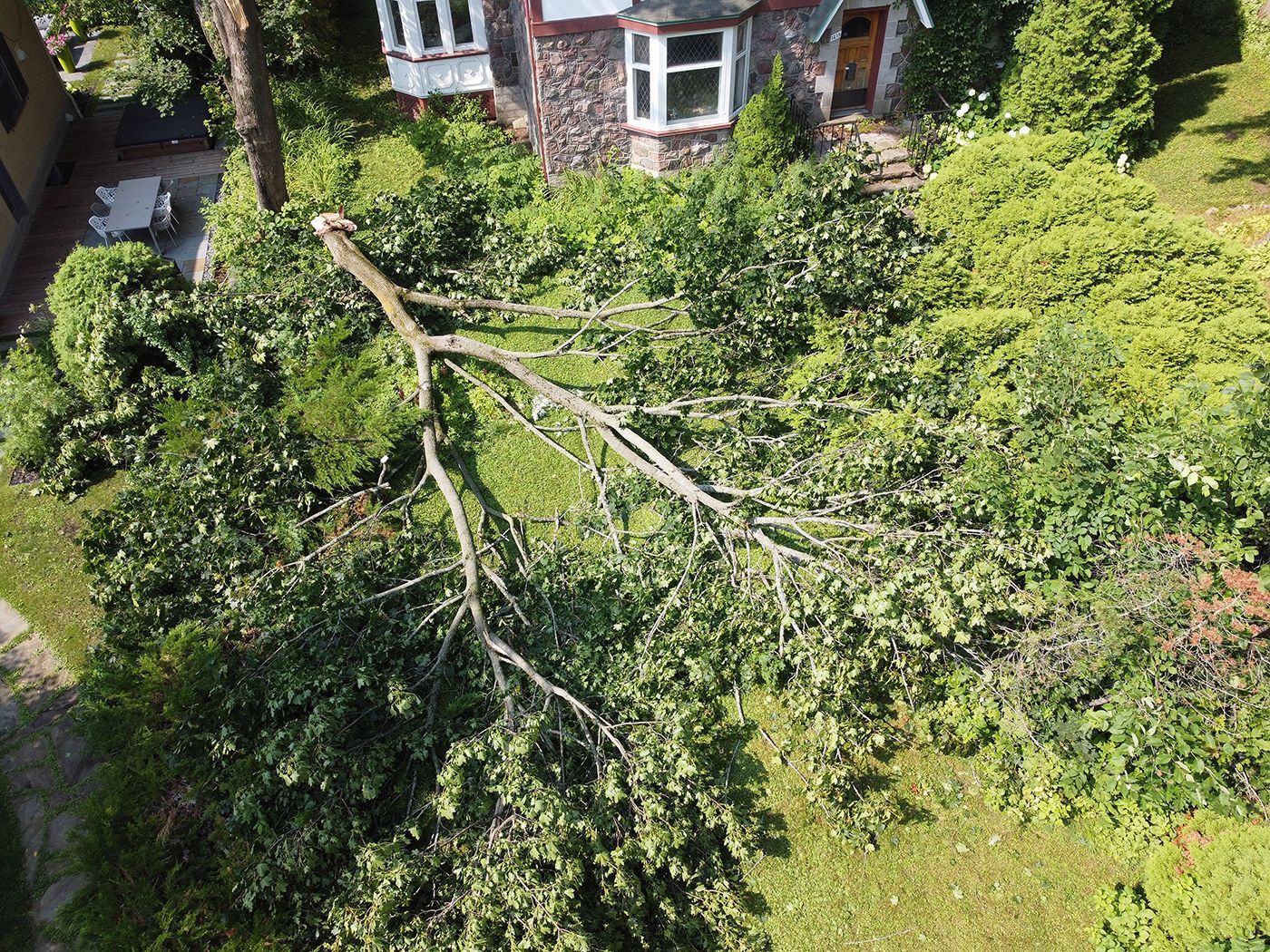
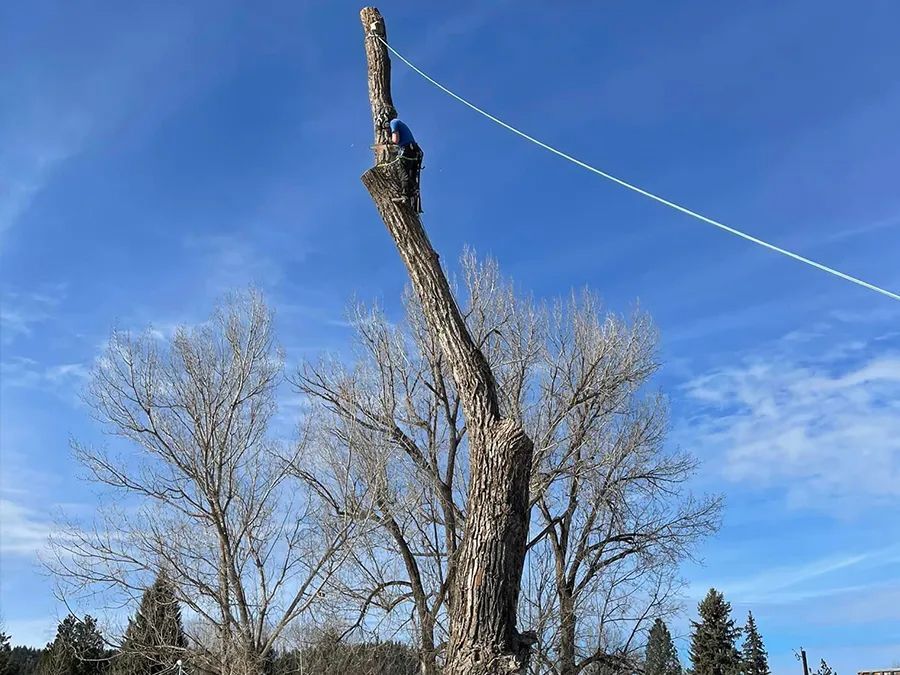
A weakened tree can quickly become a serious safety hazard. Trees that are structurally compromised are more likely to lose large limbs or topple completely during high winds and heavy rain. Recognizing the warning signs of a failing tree can help you take action before it causes property damage or injury. At Sawtooth Tree Service, our local ISA-certified arborists provide expert hazardous tree removal in the greater Boise area. If you notice any of the following issues, it's a good idea to have the tree evaluated by a professional arborist as soon as possible.
A Significant Lean that Is Getting Worse
While some trees naturally grow at a slight angle, a tree that has recently begun leaning or whose lean has noticeably increased may have a compromised root system. Shifting soil, storm damage, or root decay can reduce the tree's stability, making it more susceptible to falling. If you also notice cracked soil or raised ground around the base of the tree, it could indicate that the roots are beginning to fail and immediate professional attention is needed.
Trunk Cracks or Hollow Areas
Deep cracks, splits, or cavities in the trunk should never be ignored. These issues can significantly weaken the tree's ability to support its own weight. Although some trees can survive with small cavities, extensive hollow areas or long vertical cracks often indicate internal decay and reduced structural strength. An arborist can assess whether the damage can be managed or if removal is the safest option.
Signs of Root Damage or Decay
A tree's root system provides the foundation that keeps it upright. Construction projects, soil compaction, flooding, fungal growth, and root rot can all compromise root health. Mushrooms growing around the base of the tree, exposed decaying roots, or soft, unstable soil may indicate that the root system is deteriorating. Since root problems are often hidden below the surface, they should be evaluated by an experienced arborist.
Multiple Branches Losing Leaves or Showing Dieback
If large sections of the canopy fail to produce leaves or branches begin dying throughout the tree, it may signal significant stress or disease. Extensive dieback can indicate that the tree is no longer able to transport water and nutrients effectively, weakening its structure over time. Combined with other warning signs, canopy decline may suggest the tree is becoming increasingly unstable.
Tree Removal in Boise, ID
When you
need an arborist in Boise and the surrounding area,
contact Sawtooth Tree Service at
(208) 268-8199. Feel free to give us a call to arrange a free arborist estimate in greater Boise, ID!